

Imagine launching content that ranks on Google’s first page in days or weeks—not months—driving real leads and traffic, all without the hassle of building domain authority, technical SEO, or waiting for your new site to index properly.
That’s the promise of parasite SEO (also called “barnacle SEO” or leveraging high-authority platforms). In 2026, with Google’s ongoing crackdowns on manipulative tactics via the Site Reputation Abuse policy (updated in 2024–2025), parasite SEO isn’t dead—it’s evolved. Done ethically with genuine, high-value content, it still delivers fast visibility on platforms Google already trusts deeply.
In this updated 2026 guide, you’ll learn exactly what parasite SEO is, whether it works today (spoiler: yes, if you’re smart about it), the biggest risks after recent Google updates, and a proven, beginner-friendly step-by-step strategy to get results safely.
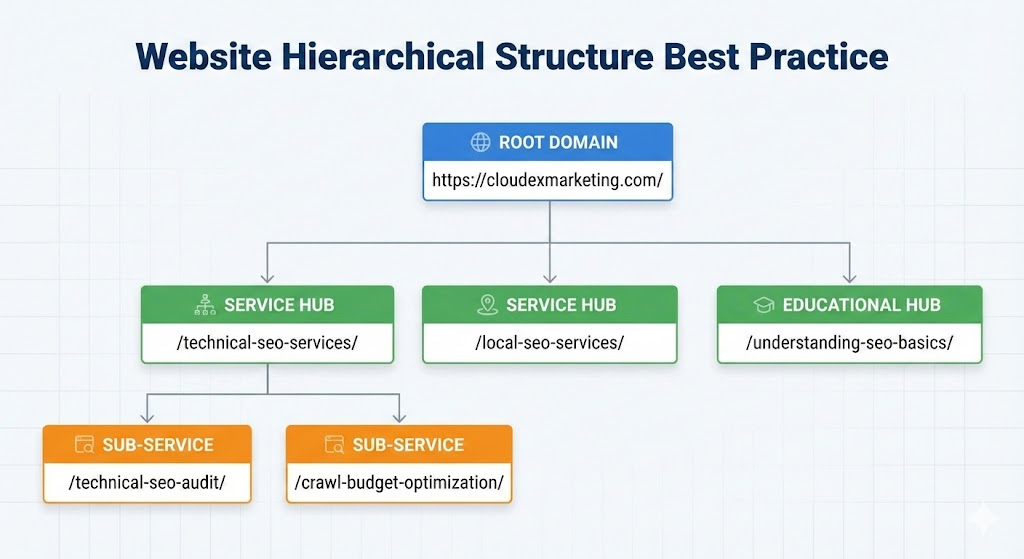
Here’s a visual overview of how parasite SEO fits into modern SEO tactics:
What Is Parasite SEO? (Clear 2026 Definition)
Parasite SEO is the strategy of publishing optimized, valuable content on high-authority third-party platforms to borrow their domain strength and rank quickly in Google SERPs.
The term “parasite” comes from how your content “attaches” to the host site’s established trust, credibility, and backlink profile—much like a barnacle on a ship.
White-Hat (Ethical) vs. Black-Hat (Risky) Parasite SEO in 2026:
| Type | Description | Risk Level | Google View (2026) |
| White-Hat | Original, helpful content relevant to the platform’s audience | Low | Allowed if it adds value |
| Black-Hat | Spammy, low-quality, keyword-stuffed posts or paid placements unrelated to the site | High | Targeted by Site Reputation Abuse policy → penalties/deindexing |
Google’s 2024–2025 updates (March 2024 core, spam policies, and ongoing refinements) specifically target site reputation abuse—low-value third-party content designed purely to manipulate rankings. But thoughtful contributions on relevant platforms? Still thriving.
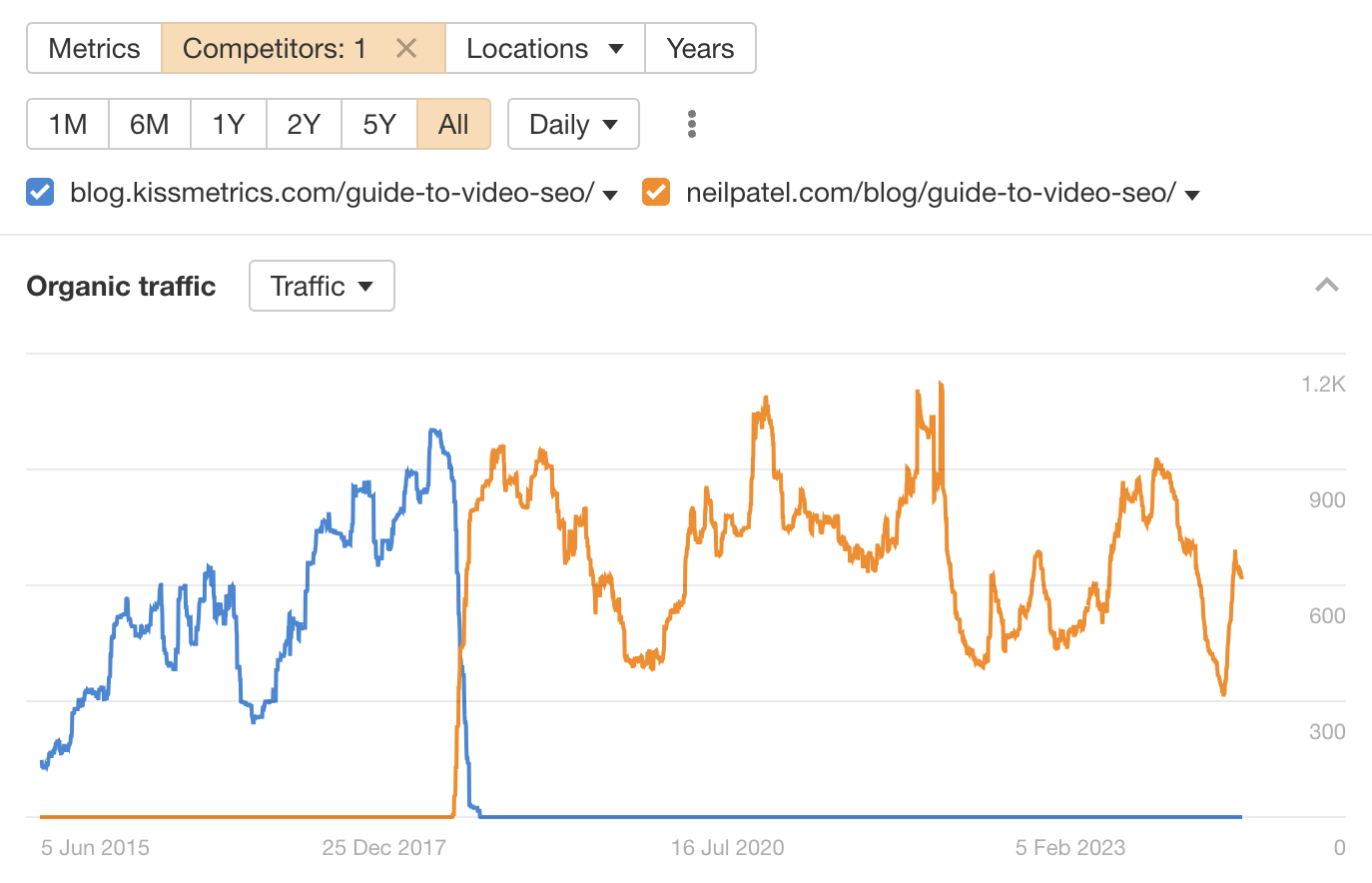
Here’s a real-world example of successful parasite content still driving traffic:
Why Parasite SEO Still Works in 2026 (And When It Doesn’t)
Yes—parasite SEO works in 2026, especially for:
- Beginners testing niches/offers
- Local businesses & freelancers needing quick leads
- Validating demand before investing in a full site
- Supplementing traditional SEO
Post-2025 Google Updates Reality:
- Low-quality/AI-spam parasite content → Often deindexed or demoted fast
- High-quality, relevant, user-focused content on fitting platforms → Continues to rank well (e.g., Reddit threads, LinkedIn articles, Quora answers)
- User-generated platforms (Reddit, Quora) and professional ones (LinkedIn) remain strong
Real data from 2025–2026: Ethical campaigns on Reddit and LinkedIn still generate thousands of views and leads, while manipulative paid placements on mismatched sites (e.g., unrelated news sites) crash hard.
Top High-Authority Platforms for Parasite SEO in 2026
Choose platforms where your content fits naturally. Here are the best ones right now:
Here are popular icons and examples of top platforms:
- LinkedIn Pulse/Articles → Best for B2B, professional advice, SaaS (DA 98+)
- Reddit → Threads/subreddits for niche discussions (huge for informational & community queries)
- Quora → In-depth answers/questions (great for expertise signals)
- Medium → Long-form thought leadership (still ranks, but focus on quality)
- YouTube → Video content for visual topics
- Others: Tumblr, Google Sites (for simple pages), niche forums, or contributor sections on industry blogs
Pro tip: Check current SERPs—see which platforms already rank for your target keywords.
Step-by-Step Parasite SEO Strategy (2026 Edition)
Follow this ethical framework to get results without risking penalties.
Step 1: Keyword & Intent Research (Target Winners)
Find low-to-medium competition keywords with clear intent and buyer potential.
Tools: Google Search, Ahrefs/SEMrush (free trials), AlsoAsked for questions.
Examples:
- Bad: “best SEO agency”
- Good: “Instagram marketing tips for local restaurants 2026”
Step 2: Pick the Perfect Platform
Match your niche:
- B2B/professional → LinkedIn
- Community/discussion → Reddit/Quora
- Long-form guides → Medium
Validate: Search your keyword—does the platform already appear in top results?
Step 3: Create Exceptional, Optimized Content
- 1,500–3,000+ words (depth wins)
- Perfect on-page: Natural keywords, H1–H3, lists/tables, images
- Add real value: Data, examples, actionable steps
- Front-load answers (for AI overviews & snippets)
Avoid: Keyword stuffing, AI-generated spam, excessive self-promotion.
Step 4: Optimize for Intent & Engagement
Answer the query fully. Include FAQs, comparisons, or visuals.
Step 5: Add Smart, Value-Driven Links
- 1–3 relevant outbound links
- Subtle CTAs: Portfolio, lead magnet (e.g., Google Form), free resource
- Focus on conversions, not just traffic
Step 6: Publish, Promote & Monitor
- Follow platform rules
- Share in relevant communities
- Track in Google Search Console (claim if possible) or analytics tools
- Update/republish if needed
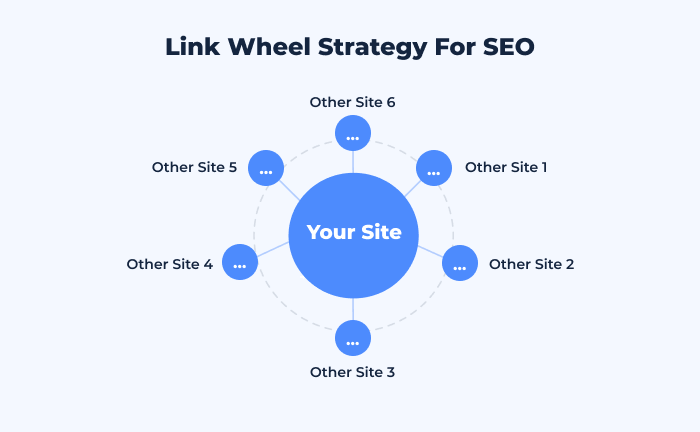
Here’s a visual flowchart of the process:
Real-World Examples & Case Studies (2025–2026)
- Freelancer Success: A social media expert published a 2,000-word Medium guide on “Instagram Reels strategy for small businesses” → Ranked top 5, generated 10+ leads/month.
- Reddit Power: Niche threads in relevant subreddits ranking globally (even in non-US markets like Germany).
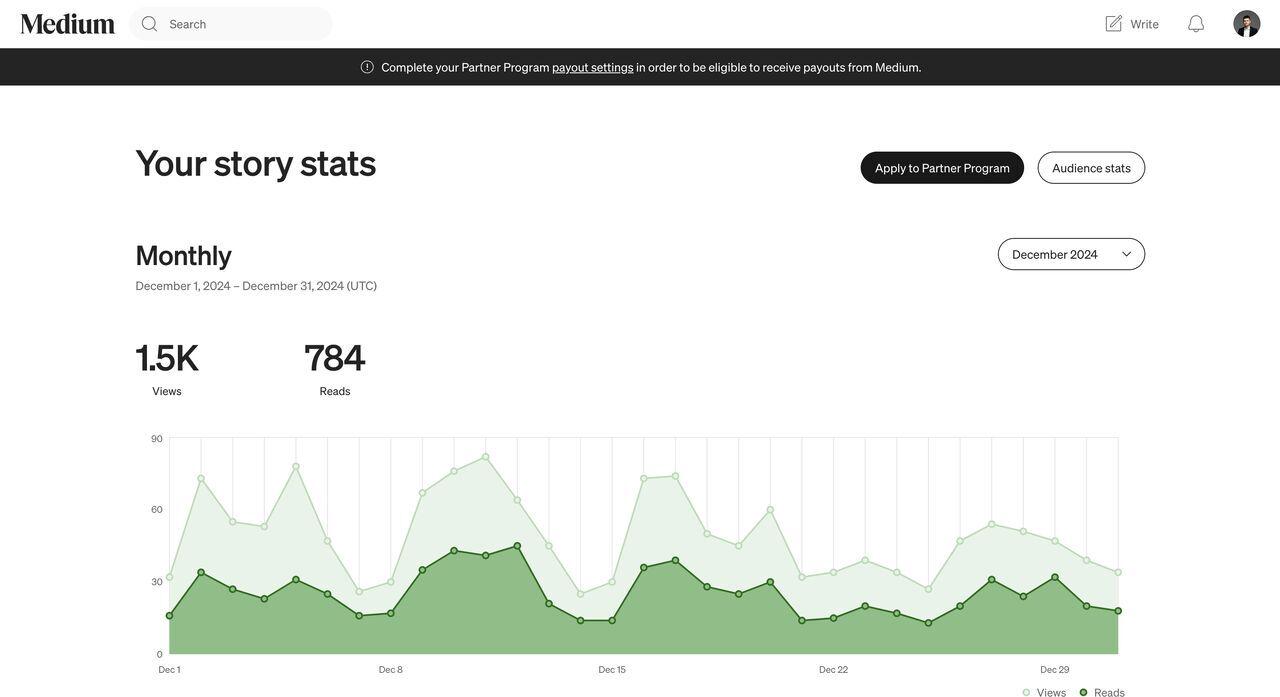
- Traffic Spike: One creator hit 1.5k+ views on Medium in a single month with targeted parasite content.
Traffic example from successful campaigns:
Common Mistakes & Risks to Avoid in 2026
- Thin/AI-spam content → Instant demotion
- Irrelevant platforms → Triggers Site Reputation Abuse flags
- Overly promotional → Hurts engagement & rankings
- Long-term dependency → Platforms can change rules; build your own site eventually
- Ignoring updates → Monitor Google’s spam policies
Conclusion: Is Parasite SEO Right for You in 2026?
Parasite SEO is a smart, fast-track tactic—not a black-hat cheat—when focused on genuine value, relevance, and ethics. It’s perfect for quick wins, testing ideas, and generating leads while you build a sustainable site.
Start small: Pick one keyword, one platform, create something truly helpful, and watch the traffic roll in.
Ready to try it? Drop your niche or target keyword in the comments—I’ll suggest the best platform and content angle for 2026!