

In the AccuRanker vs Ahrefs showdown for 2025, with SEO competition fiercer than ever, the global SEO market is projected to hit $143.9 billion by 2030, growing at a CAGR of 8.3%—and tools like rank trackers are at the heart of it all. Over 90% of SEO professionals rely on keyword monitoring to stay ahead, but choosing the right one can make or break your strategy. Enter AccuRanker, a laser-focused rank tracking powerhouse, and Ahrefs, the all-in-one SEO juggernaut that’s evolved with AI integrations and massive data sets.
This ultimate 2025 showdown dives deep: We’ll compare features head-to-head, unpack honest user reviews, break down pricing (spoiler: both start around $129/month but scale differently), spotlight top alternatives like Keysearch, Labrika, and Search Atlas, and cap it off with Ahrefs-powered site structure tips to supercharge your rankings. Whether you’re a solo freelancer or agency lead, this guide arms you with actionable insights to pick the winner for your workflow.
Ready? Let’s rank the rank trackers.
| Feature | AccuRanker | Ahrefs |
| Core Focus | Rank Tracking | Full SEO Suite |
| Pricing Start | $129/mo | $129/mo |
| Best For | Agencies Tracking Daily Ranks | Content & Link Builders |
What is AccuRanker? A 2025 Overview
AccuRanker isn’t just another rank tracker—it’s the world’s fastest, built specifically for agencies, enterprises, and consultants who need real-time SERP data without the bloat. Launched as a niche tool, it has cemented its spot in 2025 with lightning-quick updates and AI-driven insights, tracking everything from local rankings to LLM visibility in AI search engines.
At its core, AccuRanker excels in daily SERP tracking, pulling accurate positions for thousands of keywords across Google, Bing, and more—updated every 24 hours for precision that rivals manual checks. Its competitor analysis shines with dynamic share-of-voice metrics, letting you see not just your ranks but how you stack up against rivals at the URL, group, or product level. Need to integrate? It plugs seamlessly into Google Analytics, Google Search Console, and even Looker Studio for automated reporting—no more spreadsheet hell.
Other standout features include 50+ filters and tags for segmenting data (e.g., by search intent or device), proprietary AI models for CTR predictions and search volume estimates, and white-label reports tailored for client pitches. The mobile-first dashboard is a breeze, with customizable views that load fast even for 100k+ keywords.
Strengths? Scalability is king: Unlimited users, domains, and API calls mean agencies can onboard teams without extra fees. It’s also migration-friendly, with thorough onboarding to get you up in hours. In 2025, updates like enhanced AI for low-competition keyword spotting keep it ahead of generic tools.
Limitations? AccuRanker stays laser-focused on tracking, so don’t expect deep backlink analysis or content ideation—it’s not an all-in-one like its rivals. If your SEO game needs site audits or link building, you’ll pair it with something else. Still, for pure rank monitoring, it’s unmatched in speed and granularity.
(Embed screenshot here: AccuRanker dashboard showing keyword graph with daily fluctuations.)
AccuRanker vs Ahrefs: Feature-by-Feature Breakdown

In the AccuRanker vs Ahrefs debate, it’s specialist vs. suite: AccuRanker hones in on tracking like a sniper, while Ahrefs blasts with a full arsenal. Based on 2025 user scores and hands-on tests, here’s the nitty-gritty.
Rank Tracking Showdown
AccuRanker takes the crown for speed and depth, delivering top-100 results with 99% accuracy and on-demand refreshes—perfect for volatile local SEO. Ahrefs’ Rank Tracker is solid with historical data and position forecasts, but updates are weekly unless you pay extra for daily. Edge: AccuRanker for daily warriors.
Keyword Research
Ahrefs dominates here, boasting a 28.7 billion keyword database (from 110 billion total) with AI suggestions, clusters, and intent analysis. AccuRanker’s research is basic—volume estimates and intent tags—but it’s tied tightly to your tracked list. If discovery is key, Ahrefs wins big.
Backlinks & Site Audits
No contest: Ahrefs’ Site Explorer uncovers 9.2/10-rated backlink intel, spotting opportunities and toxic links. Its Site Audit crawls up to 1.5M pages, flagging issues with AI fixes. AccuRanker? A 5/10 here—zero backlink tools, though it integrates with GSC for basic audits.
Reporting & Usability
Both score high on intuition: AccuRanker’s automation (e.g., tag clouds, exports) edges for quick agency reports, while Ahrefs’ dashboards integrate SERP history and competitor benches. Usability? AccuRanker feels snappier for mobile, but Ahrefs’ AI helpers (like content briefs) add polish.
| Category | AccuRanker Score | Ahrefs Score | Winner |
| Rank Tracking | 9.5/10 | 8.5/10 | AccuRanker |
| Keyword Research | 7/10 | 9.5/10 | Ahrefs |
| Backlink Analysis | 5/10 | 9.2/10 | Ahrefs |
| Ease of Use | 9/10 | 8.5/10 | AccuRanker |
Bottom line: AccuRanker for tracking obsessives; Ahrefs for end-to-end SEO.
AccuRanker Reviews: What Real Users Say in 2025
AccuRanker holds a stellar 4.7/5 on Capterra and G2 in 2025, praised for its “unmatched precision” in tracking. Users rave about the interface: “Super easy for keyword ratings—daily updates keep us agile,” says one agency pro. On Trustpilot, it’s 4.8/5, with shouts for accuracy matching real Google searches.
Pros dominate: “Lightning-fast and scalable for 10k+ keywords,” notes a consultant. Integrations with GSC/GA score high, and AI CTR tools help forecast traffic. A G2 reviewer: “Best for competitor tracking—share of voice changed our game.”
Cons? Cancellation woes persist: “Fun canceling—requires a German phone call,” gripes a Trustpilot user. Some flag high costs for solos and limited filtering (no per-page views). Overall, 90% recommend for agencies, but beginners might find it tracking-only.
Three quotes:
- “By far the BEST tool to track keywords—tons of features, gets better yearly.” (G2, SEO specialist)
- “Accurate, easy overview of sites—5/5 across the board.” (Software Advice, Jan 2025)
- “Fastest rank tracker; UI for newbies and enterprises.” (Trustpilot, longtime user)
AccuRanker Pricing: Is It Worth It in 2025?
AccuRanker keeps it transparent: Monthly plans with 10% off annually, plus a 14-day trial (company email required). Starts at $129/month for Professional (1,000 keywords, 5 projects)—ideal for freelancers. Expert jumps to $849/month (10,000 keywords, AI extras like Looker Studio). Enterprise? Custom from $2,409/month (unlimited everything, BigQuery).
Value? For trackers-only, it’s a steal vs. Ahrefs’ broader $129 entry—but scales pricey for heavy users. No free tier, but free tools like Google Grump sweeten it.
| Plan | Monthly Price | Keywords | Key Features |
| Professional | $129.00 | 1,000 | Daily updates, GSC/GA, reporting |
| Expert | $849 | 10,000 | AI CTR, unlimited API |
| Enterprise | $2,409+ | Unlimited | BigQuery, raw SERPs, CSM |
Top AccuRanker Alternatives (Including Keysearch, Labrika & Search Atlas)
Ditching AccuRanker? Here’s 2025’s best swaps, focusing on vs. Ahrefs matchups.
Keysearch vs Ahrefs
Budget beast at $17/month, Keysearch nails keyword research with long-tail gold and difficulty scores (under 50 = easy wins). Vs. Ahrefs? It’s lighter on data depth but 80% cheaper—great for beginners spying competitors without the learning curve. Best for solos; lacks Ahrefs’ backlinks.
Labrika vs Ahrefs
AI on-page wizard at $19/month (lifetime deals via AppSumo), Labrika audits 200+ factors for optimizations. Vs. Ahrefs? Stronger on real-time fixes but weaker scaling. Ideal for content tweaks; Ahrefs crushes links.
Search Atlas vs Ahrefs
Content optimizer at $99/month, Search Atlas uses AI for briefs and clusters—9.8/10 audits beat Ahrefs’ 8.7. Vs. Ahrefs? Better for topic hubs, but smaller link DB. Agency fave for automation.
Others: Semrush (full rival, $129+), SE Ranking ($59, balanced).
| Alternative | Pricing | Key Strength | Best Use Case |
| Keysearch | $17/mo | Affordable keywords | Beginners |
| Labrika | $19/mo | AI audits | On-page SEO |
| Search Atlas | $99/mo | Content briefs | Agencies |
Bonus: Ahrefs Site Structure Best Practices for 2025
Leverage Ahrefs’ Site Audit’s Structure Explorer to blueprint a crawl-friendly silo—key for 2025’s AI-influenced SERPs. Poor structure tanks rankings; here’s how to fix it.
- Audit with Structure Explorer: Map URLs by category—spot orphans (unlinked pages) killing equity.
- Build Hierarchical Silos: Organize as /category/subcategory/page (e.g., /blog/seo/tools/ahrefs-guide). Keeps topical authority tight.
- Optimize Internals & Breadcrumbs: Link logically (hub-spoke model); add crumbs for UX. Aim for <3 clicks to any page.
- URL Best Practices: Short, keyword-rich, lowercase—no params. Use Ahrefs to check crawl depth.
- Fix with AI Patches: Deploy auto-fixes for redirects; monitor in GSC integration.
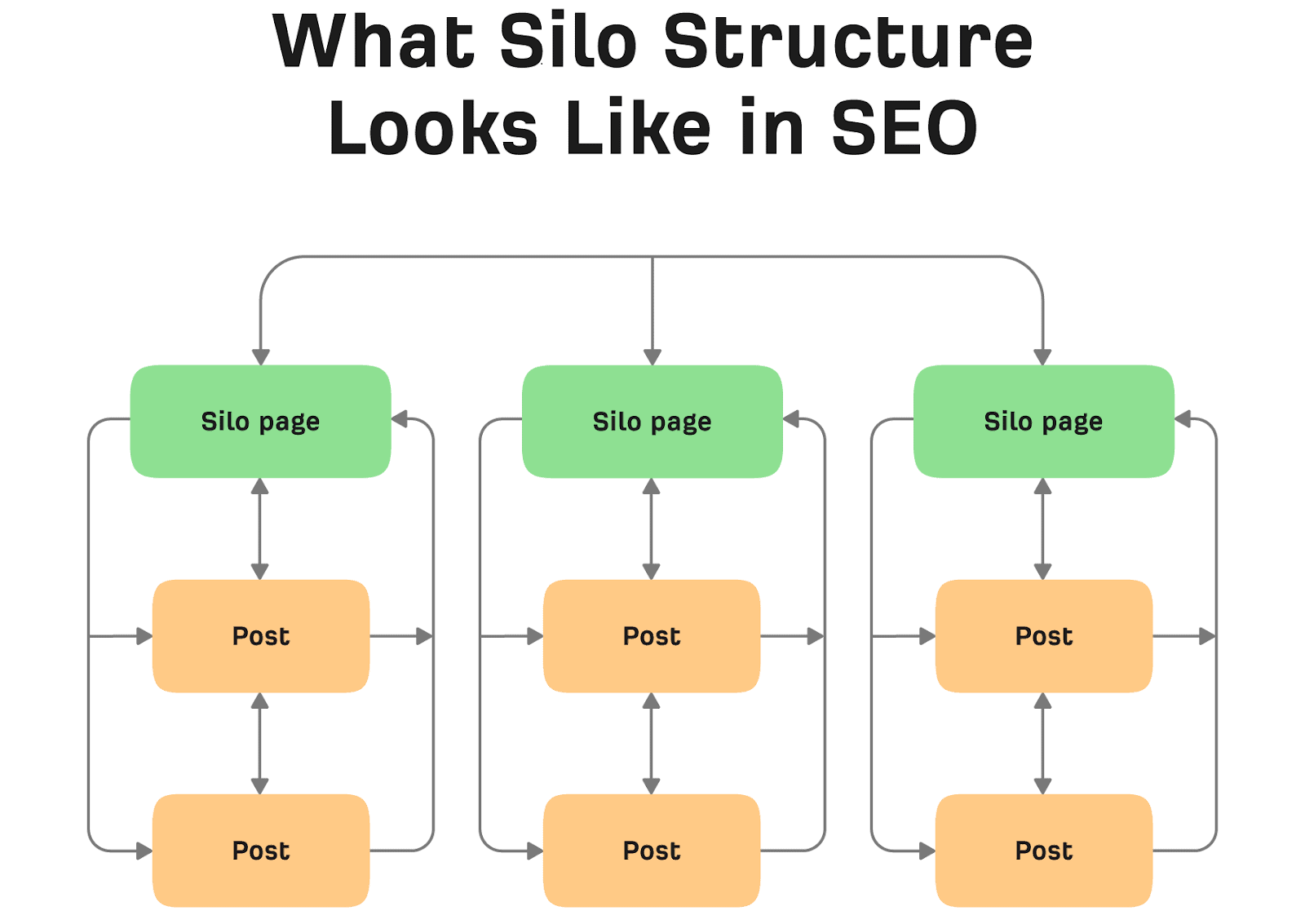
Result? Faster indexing, better dwell time—up 20% rankings per Ahrefs case studies.
Conclusion
AccuRanker edges for pure, speedy tracking in 2025; Ahrefs reigns for comprehensive SEO firepower. Agencies? Stack both. Solos? Try Keysearch as a lean alternative. Ultimately, test via trials—your keywords will thank you.
CTA: Grab AccuRanker’s 14-day trial or Ahrefs’ Webmaster Tools (free). What’s your go-to? Drop a comment.